

Building real strength takes more than just showing up at the gym and lifting random weights. Whether you’re a complete beginner or looking to break through a plateau, this guide will show you the proven strategies that work at every level.
Strength isn’t the same as muscle size, though the two often go together. Strength is your ability to produce force against resistance. A powerlifter might not look as muscular as a bodybuilder, but they can often lift much heavier weights. Your goal should determine your training approach.
If you’re new to strength training, your first three to six months are critical for building good habits and proper technique.
Start With the Basics
Focus on learning these fundamental exercises: squats, deadlifts, bench press, overhead press, and rows. These compound movements work multiple muscle groups at once and form the foundation of any good strength program.
Don’t worry about lifting heavy yet. Use light weights or even just the barbell to practice your form. Bad technique now will limit your progress later and increase injury risk.
Your Training Schedule
Train three days per week with at least one rest day between sessions. A simple Monday-Wednesday-Friday schedule works well. Each workout should include one lower body exercise and two upper body exercises.
Start with three sets of eight to twelve repetitions for each exercise. This rep range helps you build both strength and muscle while keeping the weights manageable as you learn.
Progressive Overload for Beginners
Add weight slowly. Increase the load by five to ten pounds only when you can complete all your sets with good form. For some exercises, especially upper body movements, you might only add two to five pounds at a time.
Track your workouts in a notebook or app. Write down the weight, sets, and reps for every exercise. This data shows you when it’s time to increase the weight.
After six months to a year of consistent training, you’re ready for more advanced programming.
Expand Your Exercise Selection
Keep the main lifts as your focus, but add variations and assistance exercises. Front squats, Romanian deadlifts, incline bench press, and chin-ups can help strengthen weak points and prevent boredom.
Adjust Your Rep Ranges
Now you can play with different rep ranges for different goals. Use three to five reps with heavier weights for pure strength. Use six to eight reps for a balance of strength and size. Continue using eight to twelve reps for some exercises to maintain muscle growth.
Implement Periodization
Stop doing the same workout every session. Periodization means changing your training variables over time. A simple approach is to have one heavy day, one medium day, and one lighter day each week.
On heavy days, lift eighty-five to ninety-five percent of your maximum weight for low reps. Medium days use seventy to eighty percent for moderate reps. Light days focus on technique and higher reps with sixty to seventy percent of your max.
Train Four to Five Days Per Week
Split your training into upper and lower body days, or use a push-pull-legs routine. This increased frequency allows you to work each muscle group more often while still recovering properly.
Once you’ve been training consistently for several years, you need sophisticated strategies to keep making progress.
Specialize Your Training
Identify your weakest lifts or muscle groups and give them extra attention. If your squat is lagging, you might squat twice per week while maintaining other lifts once per week.
Use Advanced Techniques
Incorporate methods like cluster sets, where you do multiple mini-sets with short rest periods. Try pause reps, holding the weight at the hardest point of the movement. Wave loading alternates between heavy and lighter sets to maximize strength gains.
Peak for Performance
If you’re training for a competition or testing your maximum strength, use a peaking phase. Over four to six weeks, gradually increase the weight while decreasing volume. This brings your strength to its highest point at the right time.
Address Recovery Seriously
At this level, recovery becomes as important as training. Get seven to nine hours of sleep every night. Consider deload weeks every four to eight weeks where you reduce training volume by forty to fifty percent.
Regardless of your level, you need to eat enough protein. Aim for 0.8 to 1 gram per pound of body weight daily. Don’t drastically cut calories if strength is your main goal. Your body needs energy to lift heavy and recover.
Carbohydrates fuel your workouts. Eat most of your carbs around training time for better performance. Healthy fats support hormone production, which is crucial for strength development.
Don’t skip warm-up sets. Start with the empty bar and gradually add weight before your working sets. This prepares your muscles and nervous system for heavy lifting.
Avoid changing programs too frequently. Stick with a routine for at least eight to twelve weeks before switching. Constantly jumping between programs prevents real progress.
Don’t ignore your weak points. If your grip fails before your back during deadlifts, work on grip strength. Addressing weaknesses prevents imbalances and improves overall performance.
Test your strength every four to eight weeks. This could mean finding your one-rep max or testing a five-rep max, which is safer for most people. Compare these numbers to previous tests to confirm you’re getting stronger.
Remember that strength gains slow down as you advance. Beginners might add weight every workout. Intermediates might progress monthly. Advanced lifters might only set new records a few times per year.
Building significant strength takes years, not months. Stay consistent, be patient, and trust the process. Focus on long-term progress rather than day-to-day fluctuations. The effort you put in today builds the strength you’ll have for life.


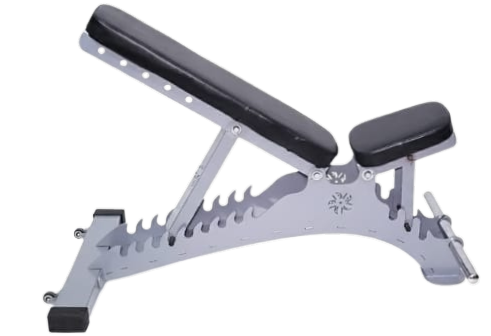







Bring rustic charm into your home with our Luxury GYM Machines. Explore our collections.